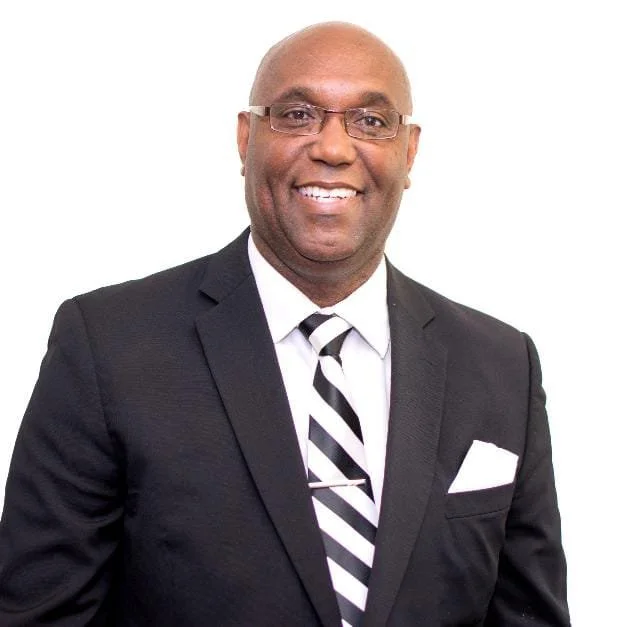
Dr. Robert Greaves is the Director of Released to SOAR, (RTS).RTS is a Christian ministry organization birthed in 2024 upon the successful completion of his doctoral research project titled Servant Leadership in Prison Ministry: Improving Volunteer Recruitment, Retention and Ministry Content (Tyndale University 2024). With approximately 20 years of service in prison ministry volunteering, Robert traces his passion for the spiritual care and successful reintegration of the formerly incarcerated to an event which occurred while he was a teenager. This incident culminated in the loss of his cousin’s life as he evaded arrest and possible incarceration. “This led me to the realize how hopeless one can become, and how interventions are needed, when one can no longer see a future in their lives beyond the critical incident of being incarcerated.”
Several years after this personal family tragedy, Robert found himself immersed in assisting members of his faith community who had incarcerated children. His interest in service to the incarcerated and in the reintegrating of returning citizens, further developed when, he was appointed to lead the Prison Ministries chapter on the campus of Burman University in Alberta Canada. Mentored in this role by Pastor Oliver Johnson (Retired Chaplain Edmonton Institution), and Rev. Ramon (Snowy) Nobel (CSC Black Offenders Liaison Officer & Ret.Chaplain Edmonton Institution for Women), Robert says “I was able to see the profound difference our visits made in the lives of incarcerees who were authentically seeking a new pathway forward. I was also able to experience in my own life the satisfaction one experiences as a servant leader in this arena.”
At Released to SOAR, Robert takes on the role of directing the program through a number of steps which take a wholistic approach to reintegration. Robert is a hands on leader who spear-heads the workshop which enable participants to connect to a higher spiritual power as a part of their recovery and reintegration process. These workshops and discussions are folded into an overall curriculum which involves the input of a group of professionals skilled in the treatment of substance abuse, and behavioural and family counselling. Robert looks forward to meeting you, as you soar to new and higher heights.
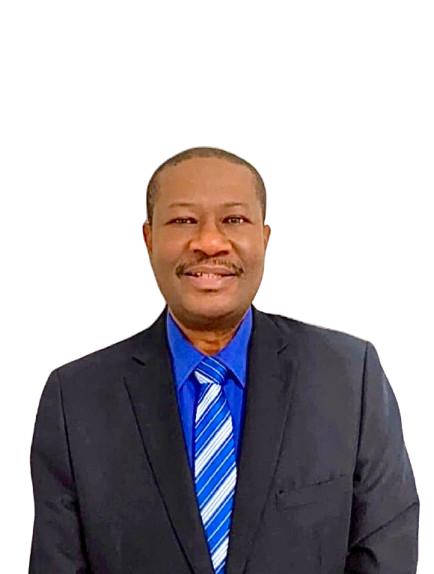
David Best BSc, MSc
Everyone deserves to be heard. For over 15 years, I have gone to great lengths to create a safe
space to support the vulnerable populations within our community, enabling them to achieve
and maximize their fullest potential. Many of these populations are working through
acceptance of therapy as a solution, I understand. So, clients of all ages are patiently and
strategically guided using a variety of Individual Counseling Approaches. With this unique lens,
I have seen significant success with students diagnosed with Autism Spectrum Disorder, ADHD,
youth presenting with behavioral challenges, as well as victims and perpetrators of domestic
abuse. The journey through counseling is a collaborative one. It takes courage in acknowledging
generational trauma that impacts your understanding of your environment and more so to
apply self-regulation techniques to mitigate challenges. Therefore, emphasis on the client’s
individual story is paramount as together we work on practical strategies to overcome, build
resilience and meet their goals.
Education
Master’s Degree in Applied Psychology (MSc.) University of the West Indies
Bachelor of Science Degree in Psychology and Sociology (BSc.) University of the West Indies
License / Certification
Registered member of Ontario College of Social Workers and Social service Workers
Applied Behavioral Analysis certificate - Geneva Center for Autism
Non-Violent Crisis Intervention Certified (NVCI)
Applied Suicide Intervention Skills Training Certificate (ASIST)
Sociological Observations
Nearly 50 percent of new admissions are people who have previously served time [recidivism]; in effect, the same individuals are being “recycled” again and again. Most men and women who go back to prison do so for parole violations. A smaller number are convicted of new crimes. Almost every time they return to prison, they become more alienated, angry, and anti-social. Eventually, one of two outcomes is predictable: either they give up and make a home for themselves behind bars, or they “go warrior” and decide that the next time they get out nobody will send them back. (2009, loc 123)
Canada
*Provincial Recidivism Ontario 60% after 1 year
*Federal Recidivism 70% after 2.5 months
Theological Foundation
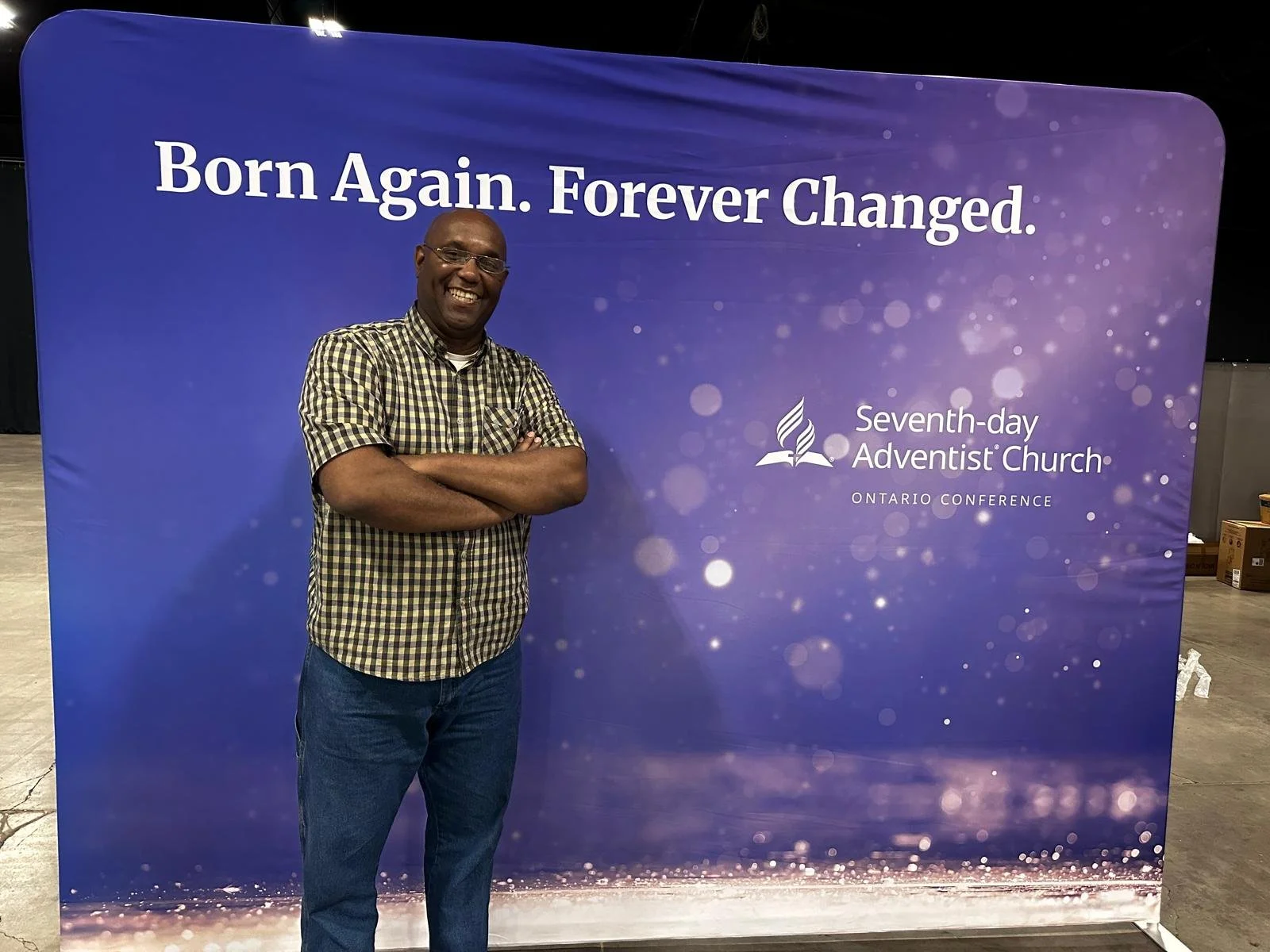
2 Corinthians 5:17 King James Version
Therefore, if any man be in Christ, he is a new creature: old things are passed away; behold, all things are become new.